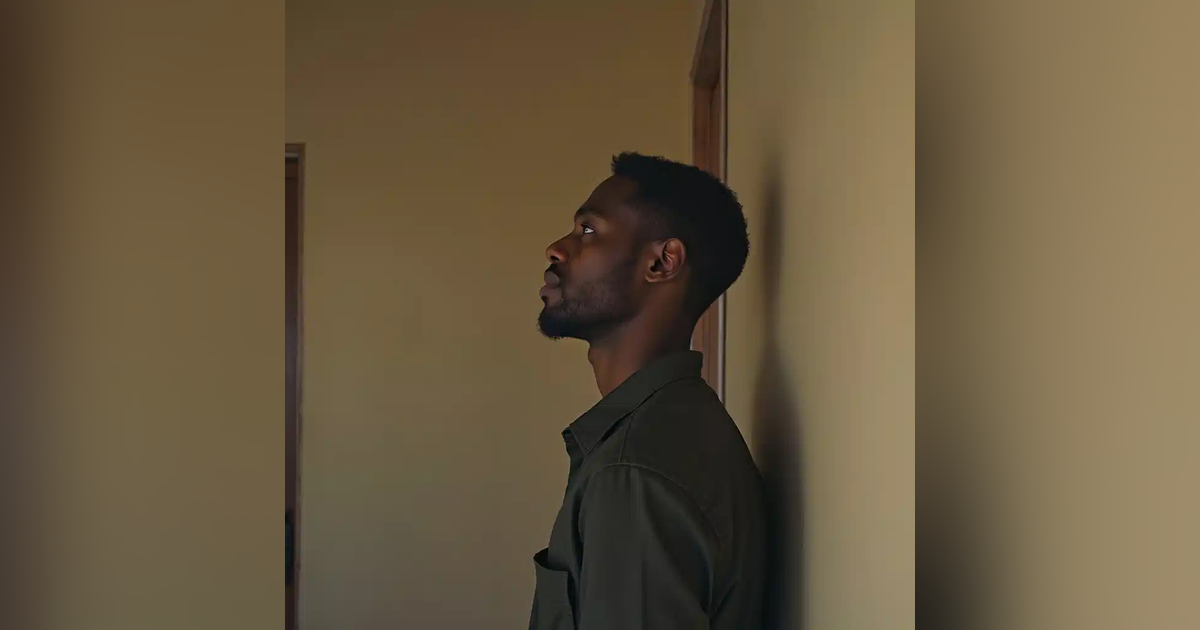
I built show-up-anyways because most accountability apps were designed for easy habits, not hard ones. They gamify showing up, turn it into a metric, a streak, something to optimize. But therapy isn't optimization. Neither is recovery, or a difficult conversation, or day one of something you've been avoiding. Those are hard things precisely because they don't feel good in the moment. So I wanted to build a place where showing up to hard things felt like: you're not alone in this. Not because someone is watching you rank. Just because someone else is doing it too.
You're scrolling a community wall and you see it: someone just posted that they showed up to therapy for the third time, even though they didn't want to.
It's the exact thing you're trying to do right now.
They're a stranger.
The difference between seeing that and seeing a leaderboard with their name ranked above or below yours hits different. This is what accountability feels like when it's not trying to turn you into a competitor.
Why metrics-based accountability backfires on hard things
Most apps that reward consistency do one thing really well: they gamify showing up. You build a streak, you see a number climb, maybe you rank against other people. And that works great if what you're showing up to is something you already believe in, something that feels good the moment you do it.
But therapy, job interviews, difficult conversations, first days at recovery, career pivots, those are hard things precisely because they don't feel good in the moment. The value comes later, or it comes quietly, not in a dopamine hit.
When the app turns showing up into a number that can be lost, when your streak can break, when you can see yourself ranked below someone else, the pressure doesn't motivate on hard days. It adds shame to an already hard day.
What changes when you see your exact struggle posted by a stranger
Metrics say: Did you hit the goal? Yes or no. Win or lose.
A wall with your exact struggle posted by someone else says: I saw you. And you're not the only one.
That's the whole difference.
When you post where you're showing up and immediately see that someone else posted something nearly identical, something shifts. The hard thing stops being a personal failure waiting to happen and becomes a shared moment. A stranger doesn't care about your streak or your ranking. They care that you showed up, the same way you notice when they do.
How a community wall changes what accountability feels like
Accountability usually works one of two ways: someone watching you (a person, a coach, a group that knows you), or a system tracking you (an app, a leaderboard, a counter).
A community wall inverts that. You're not watched by someone who knows you. You're not competing against strangers. You're simply visible in the moment you need it most.
The moment you post, it's there. No algorithm deciding if you're interesting enough, no timer on how long it stays up. The wall is not trying to make you a better person or optimize you. It's just holding space for the fact that you showed up.
The hard day: when you're the only one who knows whether you showed up
This is the day the system breaks down.
The day you don't feel like it. Nobody is watching. Your accountability partner is busy. The leaderboard still exists, but today you don't care about your rank or your streak. You just know, in private, whether you actually did the thing.
On those days, a community wall works because it doesn't require motivation. It requires one line. One honest post about where you showed up today, even if it's the thousandth time you've shown up to the same hard thing.
And because it asks for no login, no email, no identity, you can post it without deciding whether you're "worth" posting. You just post.
Witnessing without ranking: why strangers' upvotes feel different
A thumbs up from someone who doesn't know you hits different than a notification that you've ranked third.
That's because a thumbs up says: I saw you do the hard thing. Not: you beat someone else. Not: you maintained your streak. Just: you did it, and that matters.
Strangers see the action, not the person. They don't know your history, your doubts, your previous failures. They see someone who showed up to something hard today, and they upvote that. It's the purest form of recognition: you did a hard thing, and people noticed.
Why doing hard things alongside strangers works better than alone
You don't need to know someone to feel less alone.
You don't need to be in competition to feel seen.
When you show up to the same hard thing that a stranger showed up to yesterday, you're not talking to them, but you're not alone either. The wall becomes proof that other people are doing this too. Other people show up to therapy even though they don't want to. Other people apply for jobs after being rejected before. Other people have the hard conversation.
That recognition, that you're not the only one, often matters more than any metric, any leaderboard, any promise that you'll improve.
It's just: you showed up. And so did someone else. And that's enough.
FAQ
Q: What's the difference between community accountability and competitive leaderboards?
Community accountability focuses on mutual support and recognition, where everyone's effort is celebrated equally without ranking people against each other. Competitive leaderboards rank people by performance, turning accountability into a race where some people win and others lose, which often discourages people doing emotionally hard things. On a community wall, a stranger who shows up to their first therapy session is celebrated the same as someone who's been showing up for a year. That equality is the point.
Q: Can community accountability work if nobody I know is actually watching?
Yes. The act of stating publicly that you're showing up, even to strangers, creates psychological accountability. You're no longer just hoping you'll do it, you've made it visible. Knowing that someone could see it, even a stranger, often matters more than the absence of someone you know. And the wall holds a record of when you showed up, building a visible streak and private milestone badges as you keep going. You can return to it and see proof that you kept showing up.
Q: Why does posting with a handle instead of your real name matter when sharing something hard?
A pseudonymous handle creates psychological distance from judgment and comparison. You can post the hard thing without your professional reputation or personal history attached to it. A stranger seeing you show up responds to that moment itself, not to assumptions about who you are or what you should be capable of. You also don't have to decide whether the hard thing you're showing up to is "appropriate" to post under your real name. You just post it.
Q: Is this just for habit-tracking?
No. Community accountability works for any hard thing you're showing up to: a difficult conversation, a job interview, day one of recovery, therapy, the pivot you've been afraid to make, or any goal you find yourself avoiding. The principle is the same: recognizing the act of showing up itself, not the outcome or how many times you've done it before.
If this lands for you, share it with someone who thinks they're the only one showing up to the hard things. Head to showupanyways.com and post where you're showing up today.